Whoãâ´s French Styles of Art Culture Manners and Customs Was the Standard for European Taste
In that location are unlike means of dining all around the world. Different cultures, specially eastern and western cultures, have different ways of eating, cooking and serving food.
Eating both Eastern and Western cuisine was a function of my babyhood in Singapore, Malaysia and Australia. Growing up I had many friends and family from Asian and Western backgrounds and we constantly ate each other's cuisines. Apparently there were noticeably different eating habits and food preferences between each other's cultures.
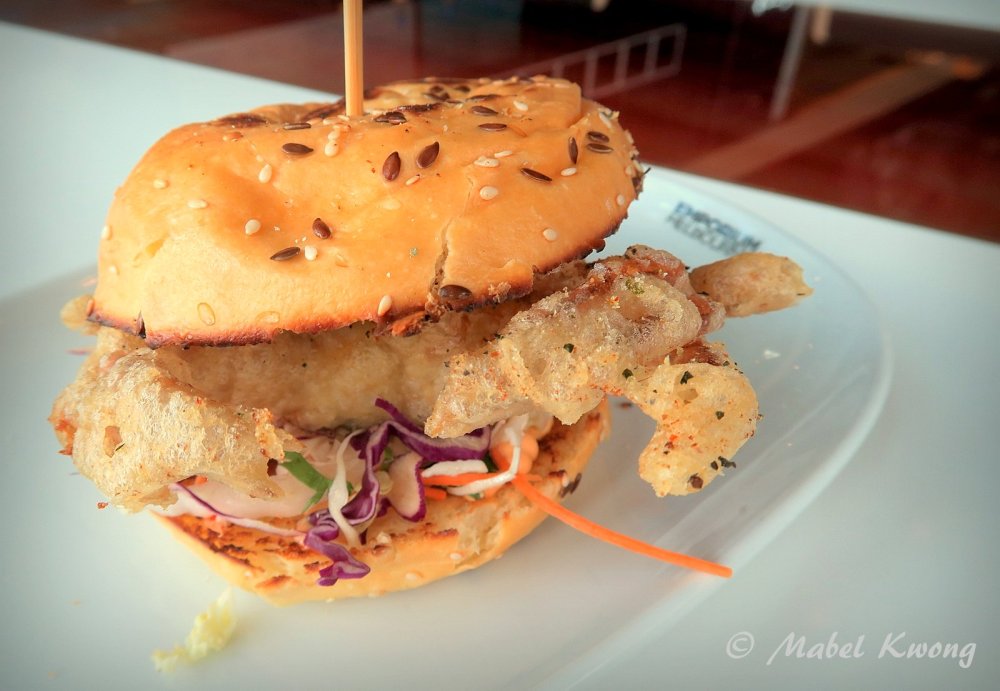
Different foods, different ways of eating.
When we speak of Eastern or Asian cuisine, we usually call back of dishes originating from the Asian region, maybe rice and noodle dishes. When we speak of Western cuisine, dishes such as bread, potatoes and pasta unremarkably come to mind. That said, for each cuisine at that place are a multitude of varying dishes in between as this world is so diverse.
Long-held traditions and stereotypes often influence how we eat, dine and potable. Other times our eating habits are but shaped by the eating practices and types of food that we are familiar and comfortable with.
Eastern vs Western Eating Habits
1. Utensils
Eating with fork and spoon is the norm in Western cultures, and then is eating with a knife when a skillful clamper of meat is served. There tin be a unique utensil for each course of a repast, such equally in French dining. While many of Asian background eat with fork and spoons, many besides consume with chopsticks or eating with just their hands. For instance, information technology'southward common for Muslims to swallow with their right hand and this in line with their organized religion. For some Indians it's a mark of respect (especially to the host) to physically touch the food one is eating – joining all fingers together and picking upwardly food to eat, in a way creating a spiritual connectedness with what one is eating.
When I was a kid, my Chinese-Malaysian parents offset taught me to swallow with fork and spoon, and subsequently taught me how to use chopsticks. These days I use chopsticks whenever I eat Chinese food; it only feels natural (probably from having watched my family eat Chinese food with only chopsticks as a child). Never had trouble picking up rice with chopsticks (which is baffling to some, but the trick is to put the rice bowl close to your rima oris so rice doesn't fall everywhere). There's also hearsay in Asian cultures that placing cutlery upside downwardly invites spirits to dine with y'all (non sure where this came from).
2. Cooking techniques
Steaming, boiling and stir frying are popular Chinese cooking methods. Popular and staple Chinese dishes include soup and pan-fried dumplings, steamed veggies with oyster sauce and simmered bone broths. In contrast many popular Western dishes in Australia tend to be on the fried or baked side: fried chicken, pizza, fish and chips, parmagianas, meat pies and lamb roast. Notably in Asian culture dishes are more than or less served warm or hot and rarely raw and cold (sushi would exist the popular exception). On the other hand, salads, yoghurts and cheeses are popular 'cold' gastronomic choices among many Westerners.
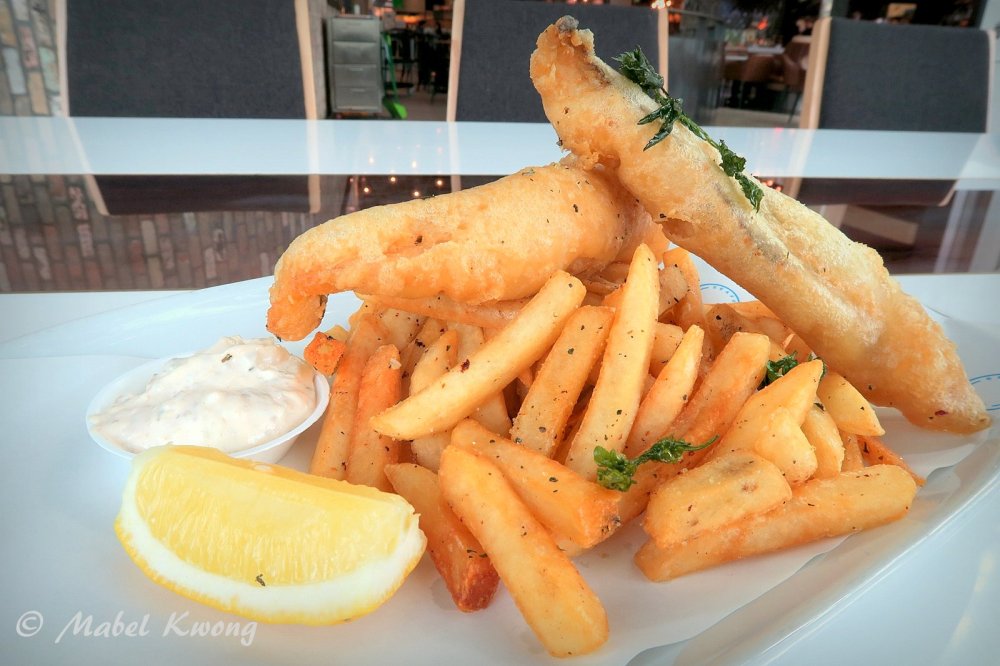
There's something unique almost each dish.
iii. Table and seating configuration
Dining at round tables is common in Asian cultures and encourages inclusivity no matter where one sits. Dining at a round table, everyone tin see each other – it encourages everyone to chat and connect with each other (one can see everyone at the table confront to face), it's convenient to pass food effectually on a Lazy Susan in the middle of the table. Also, the eldest or nearly senior person normally takes the seat facing the entrance, symbolic of hierarchical respect.
Eating at rectangular tables is more than common in Western cultures. 1 might not become the run a risk to chat with every single the person when seated at this kind of table but might be highly encouraged to make small conversation with the person beside or right in front of them.
4. Sharing vs individual dishes
In Chinese civilization nigh dishes are designed to exist shared over rice or noodles, and rice and noodles are supposed to be eaten forth with other dishes. Growing up in Malaysia and Singapore, whenever the folks and I went to a Chinese restaurant, each of us had a bowl of white rice and iii to four dishes placed in the centre of the tabular array – everyone gets to try everything and this is synonymous with the virtues of sharing and being a part of a team, virtues revered in Chinese culture.
Individual dishes are more common in Western cultures and information technology's not surprising for someone to order one dish and have it all to themselves. Time and time over again in Chinese restaurants I've seen Westerners doing this (like eating a whole plate of oyster sauce veggies by themselves), which strikes me equally unusual every bit there is only then much nutritional value gained from eating 1 kind of food. Non to say there aren't individual dishes in Chinese civilization – for case duck noodles and Hainanese chicken rice are dishes that one would take to all themselves. Just many if not nearly Chinese dishes are actually meant to be shared.
On the plus side, when anybody orders a dish for themselves, it can be easier when it'south time to pay the bill: everyone eats their own share, fair and square pays for their own dish, no need to fight over the neb.
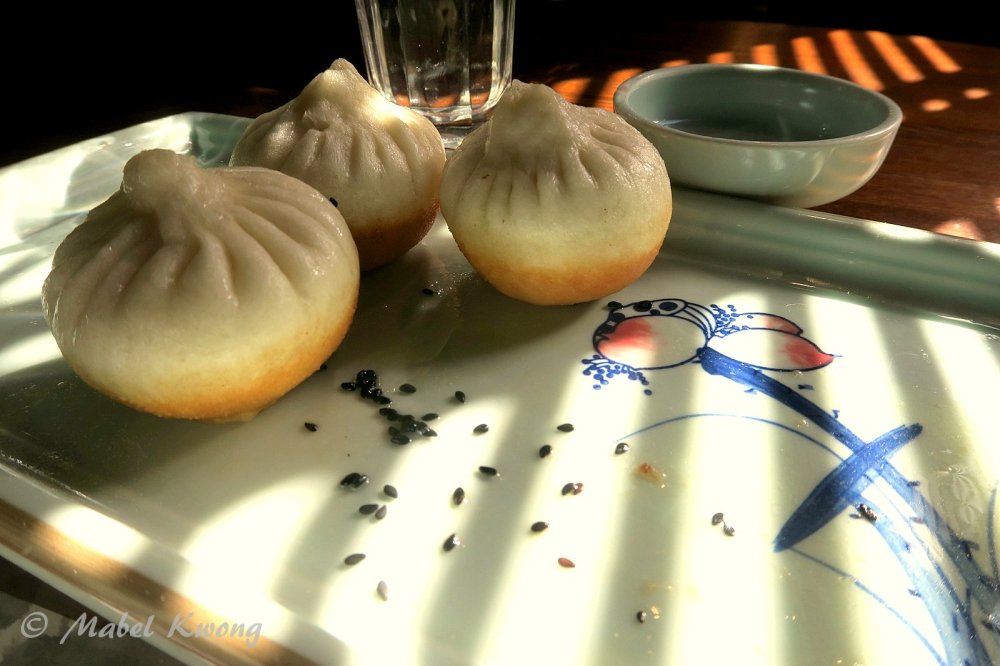
Often fourth dimension and thought goes into the making of every dish.
5. Balance and variety
There is commonly a starter/entrée, main and dessert when it comes to having many a Western meal. Sometimes this includes a salad and cheese class. While multicourse meals are also office of Asian dining, balance is central here: at that place is commonly a soup, a base of operations of rice or noodles and a vegetable and meat dish served. With Asian cuisine, there is a focus on optimising meals for digestion – aligning with the concept of yin and yang – rather than stuffing oneself and feeling satiated and even more satiated.
6. Serving size
Portions tend to bigger when information technology comes to Western cuisine, more food per serving. Perhaps the most famous kind of portion is the supersize options in many fast food outlets in usa, portions that are known to contribute to obesity.
From what I noticed, the portions for Asian cuisine here in Australia are much bigger than what y'all go far Asia. That said, in Chinese civilization eating until y'all are full is encouraged and many Chinese festivals such every bit the Chinese New Year and Dragon Boat Festival revolve around food. Fifty-fifty breakfast in Asia can be quite a big matter portion-wise, just equally big every bit lunch and dinner: dim sum, fishball noodle soup, coconut rice, century egg congee were breakfasts I had at hawker centres on weekends in Malaysia and Singapore.
vii. Drinks
Having an alcoholic beverage for lunch or dinner is pretty common in Australia. Beer is always on the potable menu when it comes to eating at many Asian restaurants hither in Melbourne. But when I lived in Asia this wasn't ever the instance; in many Halal restaurants in Malaysia at that place is a no alcohol or BYO policy. Warm tea is usually the offset drink to be offered when dining Chinese and in many Chinese eateries I've patronised in Australia, tea is offered for free. Soy bean milk, milk tea and sugarcane juice are also drinks many Chinese similar to order with their meals. Interestingly, water isn't normally served with Asian cuisine every bit it is believed to cause upset stomachs.
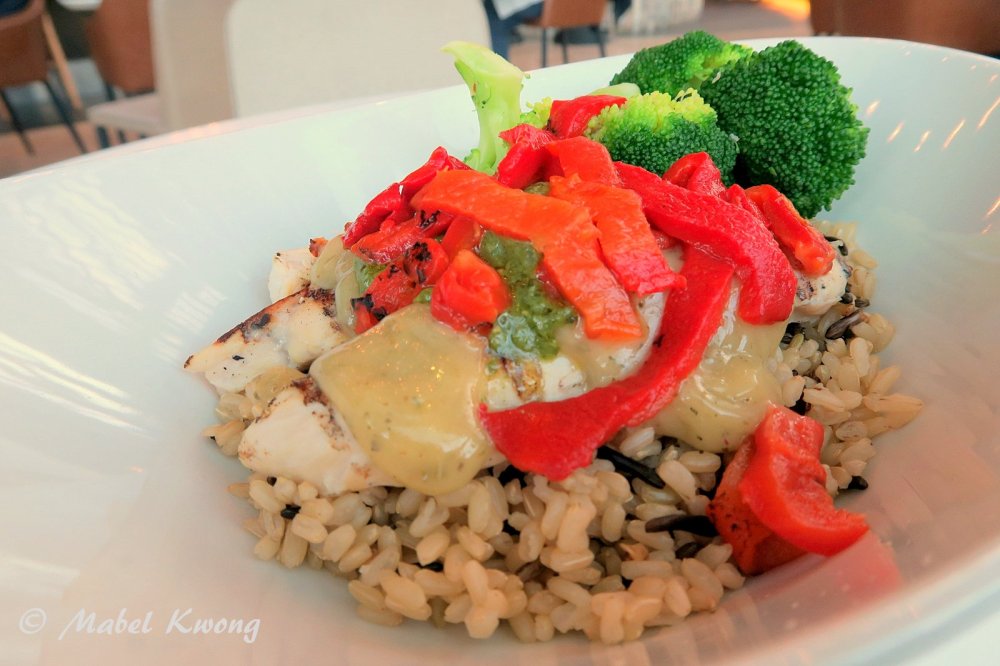
Some meals are bigger in portion than others, a reason to share.
viii. Setting and ambient
There's the common conception that eating in a Chinese restaurant is a crowded, dark and dim affair. From my experience, this is the case with quite a few dumpling joints in Melbourne…but I've also been to Chinese restaurants where fluorescent white lights shine downwards from the ceiling and you can conspicuously come across what you are eating. When it comes to dining Western, if it'south a romantic meal for two chances are it might be a dim dining affair in a secluded cozy corner booth – at to the lowest degree that'due south what many movies are inclined to allow you believe.
9. Flavours
Many Asian dishes are bold and aromatic in flavor. It's the ingredients used that bring out these flavours, ingredients such as vinegar, v spice powder, cooking wine, hoisin sauce and soy sauce. Ginger and garlic are also staple ingredients in many Chinese dishes, and there's usually the option of added chilli too. Compared to Asian cooking, Western cuisine might come beyond equally more bland. Chilli isn't served with every meal and many chilli dishes in Commonwealth of australia aren't as spicy as dishes in Asia. Processed sauces seemed to be served more with Western nutrient. Tomato sauce, mustard, mayonnaise, charcoal-broil sauce are some popular sauces one finds with American, European and Australian cuisine.
x. Dessert
Fruit is a popular dessert option in Asian cuisine. Watermelon, papaya and rockmelon were some of the desserts I remember being served to me and my extended family unit subsequently we finished x-grade celebratory feast meals. Some popular Asian desserts include sugariness sticky rice pudding, peanut soup, egg tarts and lotus seed paste assurance. On the other hand, ice-cream is always a popular dessert option at the end of a Western repast, so is the choice of brownie and block. Not sure how truthful this is, only Asian desserts seem to taste sweeter than many Western desserts.
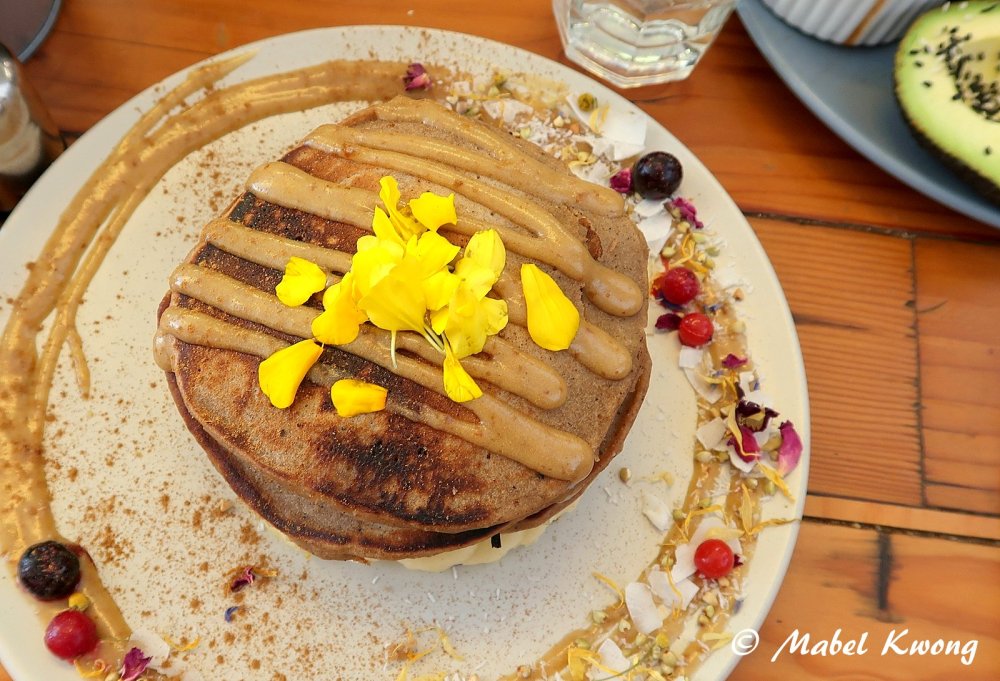
We all have our own comfort foods.
* * *
Over fourth dimension our nutrient preferences and eating habits might modify. We might prefer eating different cuisines at different times of our lives depending on how we're feeling or where alive or travel. We might get through phases of fads and diets if we're wanting a lifestyle change or wanting to be a flake more adventurous with what we eat.
For reasons I all the same don't know, as a kid I preferred eating Western food over Chinese food. Friday nighttime was fish and flake nighttime at habitation, and I would eagerly conceptualize my mum taking the battered fish and salted fries out from the oven. Though my parents bought Chinese duck, roast pork and dim sum on the weekends, somehow I e'er wanted pizza. These days it's a bit of a different story. While I've never liked eating pork and still don't swallow much roast pork, I love eating a good roast duck, will leap at the opportunity do yum cha and eat at a hawker eye. That said, I still love a good pizza anytime.
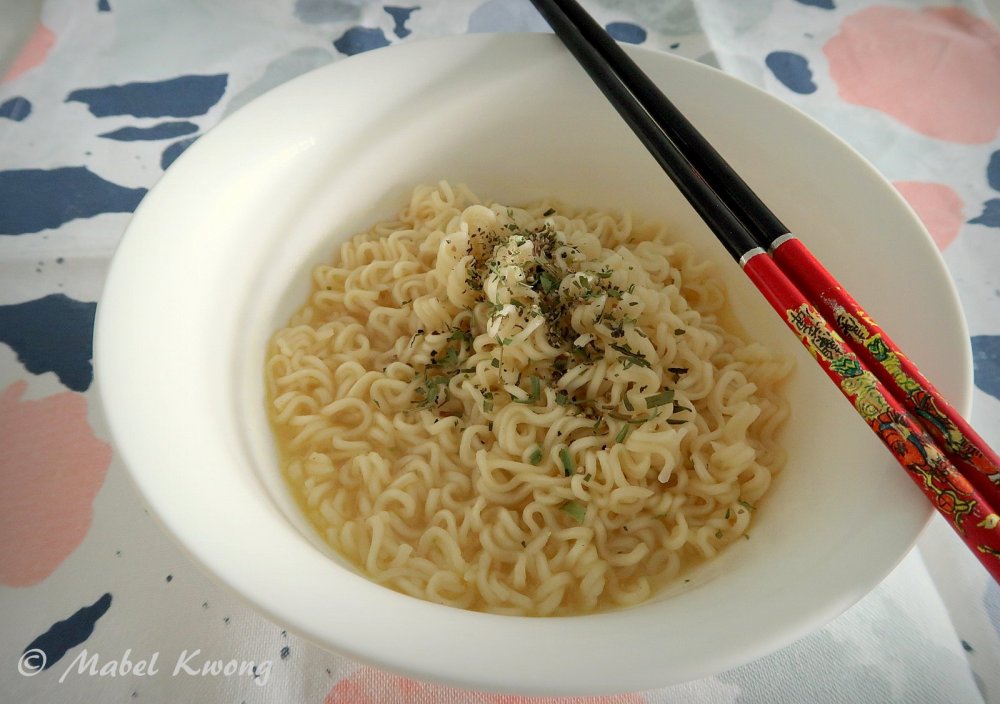
There are some dishes we volition e'er dear.
Possibly we like eating the food nosotros eat because of how our brains are wired. Research published in the Journal of Food Sciences looked at how colour impacts our perception of food. It proposed that we may be more than inclined to eat food that match our memories and the brighter a certain food is such as block, the more intense in flavour it was perceived to be.
Also, in 2011 a study on complex systems explored why Asian and Western foods taste differently. It found Western cuisines tend to use ingredients that shared matching flavour compounds – or matching chemical tastes – while Asian cuisines tend to avoid using ingredients with same flavour molecules. Sure foods might be comfort foods to usa, caused tastes from our upbringing or life experiences over fourth dimension – and it is these foods we have gotten to know so well that they are now an extension of ourselves. On knowing food, loving food and sharing it all round, chef and writer Anthony Bourdain said:
'People are generally proud of their food. A willingness to consume and drink with people without fright and prejudice…they open up to y'all in ways that somebody visiting who is driven by a story may not get.'
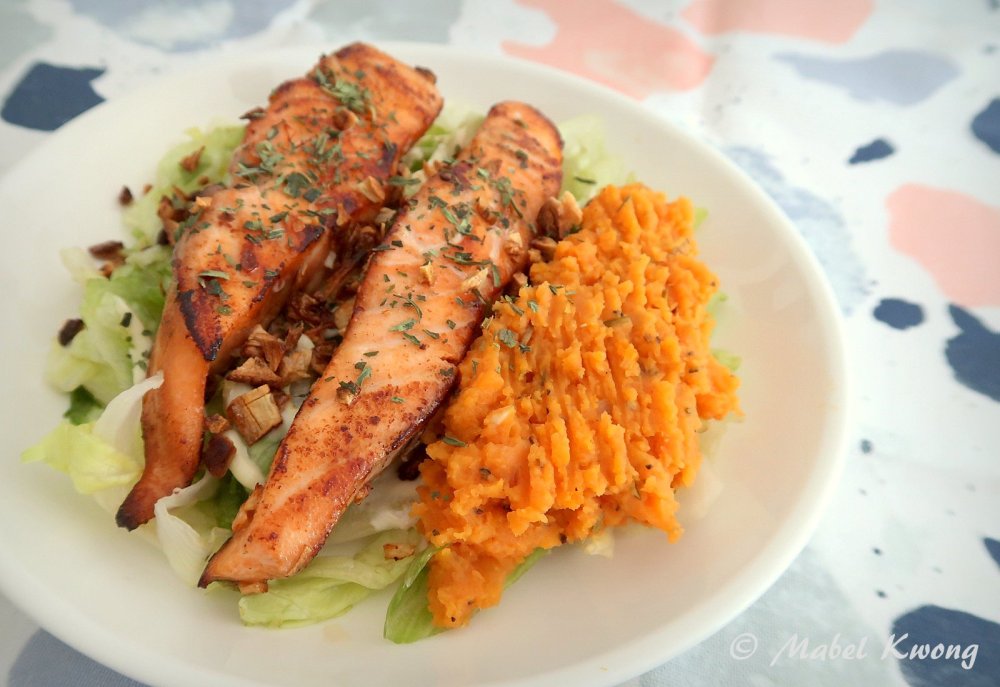
We are what we eat.
Given each cuisine is unique, what we eat forms part of our identity. As the proverb goes, we are what we swallow. Sometimes we eat the foods we've e'er eaten to actually exist who we are. And and then nosotros share that with the remainder of the world.
Do you adopt eating Asian or Western cuisine?
littlejohnfoultia.blogspot.com
Source: https://mabelkwong.com/2018/06/21/10-differences-between-eastern-and-western-eating-habits/
0 Response to "Whoãâ´s French Styles of Art Culture Manners and Customs Was the Standard for European Taste"
Post a Comment